
 Language



News Center
2025-04-18
The Ultimate Guide to Choosing the Right Quality Standard Fan
The Ultimate Guide to Choosing the Right Quality Standard Fan
Table of Contents
- Understanding Standard Fans and Their Importance
- Key Features to Look for in a Quality Standard Fan
- Types of Standard Fans: Which One Is Right for You?
- Energy Efficiency in Standard Fans
- Noise Levels: Finding the Right Balance
- Maintenance Tips for Longevity
- FAQs About Choosing the Right Standard Fan
- Conclusion: Making Your Final Decision
Understanding Standard Fans and Their Importance
In today's world, standard fans have become a necessity, especially during the warm months. They provide essential airflow, improving comfort levels in homes and offices alike. Unlike air conditioners, which can be costly to run, standard fans offer an energy-efficient alternative to cool down your space while maintaining a pleasant environment. Understanding the importance of selecting a quality fan is the first step toward ensuring you make the right investment.
The Role of Standard Fans in Climate Control
Standard fans are not just cooling appliances; they play a crucial role in climate control. By promoting air circulation, these fans help in reducing humidity levels and creating a comfortable atmosphere. Additionally, they can be utilized in conjunction with air conditioning to enhance efficiency, allowing for a higher thermostat setting without sacrificing comfort.
Key Features to Look for in a Quality Standard Fan
When searching for the ideal standard fan, pay attention to several essential features that can enhance your user experience.
1. Motor Quality
The heart of any fan is its motor. A strong, durable motor not only ensures longevity but also provides reliable performance. Look for fans with high-quality motors that can operate quietly while delivering powerful airflow.
2. Blade Design and Material
The design and material of fan blades significantly influence airflow efficiency. Blades made of high-quality plastic or metal tend to be more durable and efficient. Additionally, aerodynamic blade designs can enhance airflow and reduce noise levels.
3. Adjustable Height and Oscillation
A standard fan with adjustable height or oscillation features can maximize airflow throughout the room. These adjustments allow you to direct airflow where it is needed most, ensuring comfort in every corner of the space.
4. Speed Settings
Having multiple speed settings is essential for customizing your cooling experience. Look for fans that offer at least three speed options, allowing you to adjust airflow based on your needs and preferences.
5. Portability and Design
Consider the size and weight of the fan if you plan to move it between rooms. Lightweight, portable designs make it easy to relocate the fan as needed. Additionally, a stylish design can enhance your home decor.
Types of Standard Fans: Which One Is Right for You?
Understanding the different types of standard fans can help you make an informed decision.
1. Pedestal Fans
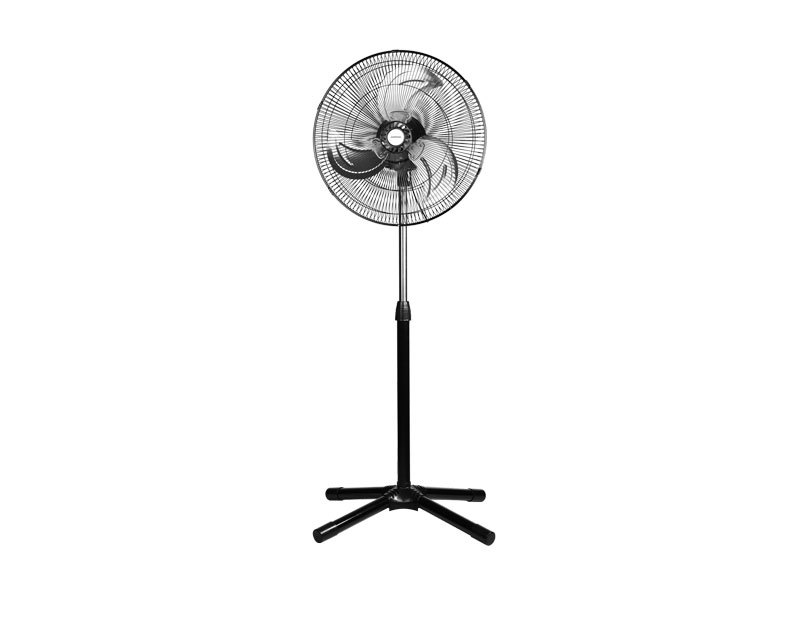
Pedestal fans are known for their versatility. With adjustable heights and oscillation features, they are ideal for larger rooms. They provide excellent airflow and can be positioned to direct cool air where needed.
2. Table Fans
Table fans are compact and portable, making them perfect for personal use. Their smaller size allows for easy placement on desks, shelves, or bedside tables. While they may not be as powerful as pedestal fans, they are effective in providing localized cooling.
3. Floor Fans
Floor fans are designed for serious cooling power. They typically feature larger blades and motors, making them suitable for larger spaces. Floor fans are great for workshops or garages where high airflow is essential.
4. Wall-Mounted Fans
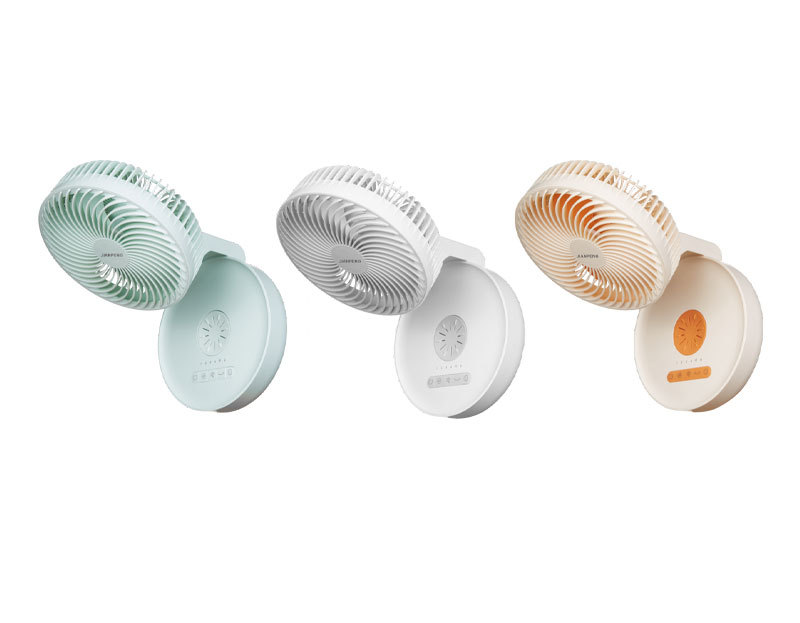
For those with limited floor space, wall-mounted fans are an excellent option. They provide efficient airflow without taking up valuable space and are perfect for small rooms or areas with high ceilings.
Energy Efficiency in Standard Fans
Energy efficiency is a critical factor to consider when choosing a standard fan. Efficient fans not only lower your energy bills but also contribute to environmental conservation.
1. Energy Star Ratings
Look for fans with Energy Star ratings, which indicate that they meet strict energy efficiency guidelines set by the Environmental Protection Agency. These fans typically consume less energy while providing excellent performance.
2. Motor Efficiency
The efficiency of the motor plays a significant role in the overall energy consumption of the fan. Opt for fans with high-efficiency motors that deliver powerful airflow without excessive energy use.
Noise Levels: Finding the Right Balance
A quiet fan can make a significant difference in your comfort level, especially when using it during sleeping hours.
1. Decibel Ratings
When choosing a standard fan, consider the noise level indicated by the decibel (dB) rating. Fans with lower dB ratings are quieter, making them more suitable for bedrooms or quiet work environments.
2. Design Features for Reduced Noise
Many modern fans come equipped with technology designed to minimize noise. Look for features such as aerodynamic blades and noise-reducing motors to ensure a quieter operation.
Maintenance Tips for Longevity
To keep your fan operating efficiently and prolong its lifespan, regular maintenance is essential.
1. Cleaning the Fan
Dust and debris can accumulate on fan blades and motors, affecting performance. Regularly clean the fan to ensure optimal airflow. Use a damp cloth to wipe down blades and a vacuum with a brush attachment for hard-to-reach areas.
2. Lubricating the Motor
Many fans require periodic lubrication of the motor to ensure smooth operation. Refer to the manufacturer's guidelines for lubrication schedules and recommended products.
3. Seasonal Storage
If you're using your fan seasonally, store it properly during the off-season. Ensure it's cleaned and dry before storing it in a cool, dry place to prevent wear and tear.
FAQs About Choosing the Right Standard Fan
1. What size fan do I need for my room?
The size of the fan you need depends on the room's square footage. Generally, a fan with a blade span of 36 inches is suitable for smaller rooms, while larger rooms may require fans with a blade span of 48 inches or more.
2. How do I know if a fan is energy efficient?
Look for Energy Star ratings and check the wattage. Fans with lower wattage and high airflow efficiency are typically more energy-efficient.
3. Can I use a fan in a room with air conditioning?
Yes! Using a fan in conjunction with air conditioning can help circulate cool air more effectively, allowing you to set the thermostat a few degrees higher for energy savings.
4. How often should I clean my fan?
It's advisable to clean your fan every three months, or more frequently if you live in a dusty environment.
5. What features should I prioritize in a fan for a bedroom?
For a bedroom, prioritize features such as quiet operation, multiple speed settings, and oscillation to ensure even airflow without disturbing your sleep.
Conclusion: Making Your Final Decision
Choosing the right standard fan involves considering several factors, including motor quality, efficiency, type, and noise levels. By understanding your specific needs and evaluating the features available, you can select a fan that not only cools your space effectively but also enhances your overall comfort. Remember to prioritize energy efficiency and maintenance for longevity, ensuring that your investment serves you well for years to come. With the right standard fan, you can create a pleasant and refreshing environment in your home or office.

Related News

Products Collection,SUPPLIER FOR HOME-BUSSINESS-INDUSTRIAL FAN

Contact Information
 sales01@gdjianpeng.com
 86-0757-26323793
 http://www.gdjianpeng.com/
 No.19 shuikou Cang, Chongyuan Industrial Zone, Xincun, Beijiao Town, Shunde District, Foshan city, Guangdong Province

Copyright © 2022 Foshan Shunde Jianpeng Industrial Co., LTD.
Powered by:300.cn Shunde SEO
business license
 18923212913
 sales01@gdjianpeng.com
 18923212913
 Message
