
 Language



News Center
2025-04-30
Maximize Airflow: Discover the Benefits of Quality Large Electric Fans
Maximize Airflow: Discover the Benefits of Quality Large Electric Fans
Table of Contents
- Introduction to Large Electric Fans
- Benefits of Using Quality Large Electric Fans
- Types of Large Electric Fans
- Energy Efficiency and Cost Savings
- Installation Tips for Large Electric Fans
- Maintenance and Care for Longevity
- Common Issues and Troubleshooting
- Conclusion
- Frequently Asked Questions
Introduction to Large Electric Fans
In the world of industrial equipment and components, quality large electric fans play a crucial role in enhancing air circulation and maintaining optimal temperature levels. Whether you are managing a large warehouse, a busy workshop, or a cozy residential space, these fans offer a multitude of benefits that go beyond mere cooling. By maximizing airflow, they contribute to improved air quality, energy efficiency, and overall comfort.
This article explores the myriad advantages of large electric fans, including their types, energy savings, installation guidelines, and maintenance tips, ensuring you get the most out of your investment.
Benefits of Using Quality Large Electric Fans
Investing in a quality large electric fan can significantly impact various environments. Below are some key benefits:
1. Enhanced Air Circulation
Large electric fans excel at promoting better air circulation across vast spaces. This enhanced airflow ensures that every corner of the room receives adequate ventilation, preventing the buildup of stale air. Whether in an industrial setting or at home, improved air circulation contributes to a healthier environment.
2. Improved Comfort Levels
In environments where heat accumulates, such as factories or outdoor events, large electric fans provide a much-needed cooling breeze. They help maintain comfortable temperatures, making work or leisure activities more enjoyable.
3. Reduction of Humidity
High humidity levels can make spaces feel uncomfortable and even lead to the growth of mold and mildew. Large electric fans help reduce humidity by increasing evaporation rates, ensuring a drier and more pleasant atmosphere.
4. Energy Efficiency
Quality fans can operate on lower energy consumption compared to air conditioning units, resulting in significant cost savings on electricity bills. By circulating air efficiently, they allow for the use of less energy-intensive cooling methods.
5. Versatility in Usage
Large electric fans are versatile and can be used in various settings, from industrial sites to residential homes. They can be employed in workshops, garages, patios, or warehouses, adapting to the specific needs of each environment.
Types of Large Electric Fans
Understanding the different types of large electric fans available can help you choose the best one for your needs. Each type serves specific functions and comes with unique features.
Industrial Fans
Industrial fans are designed for heavy-duty applications. They are typically used in warehouses, factories, and construction sites. These fans are built to withstand the rigors of industrial environments, offering high airflow capabilities and durability.
Commercial Fans
Ideal for businesses, commercial fans are perfect for restaurants, gyms, and retail spaces. They often feature stylish designs while providing effective cooling and air circulation, making them suitable for customer-facing environments.
Residential Fans
Residential large electric fans are perfect for home use. They are available in various styles and sizes, catering to living rooms, bedrooms, and outdoor patios. These fans not only improve airflow but also add aesthetic value to home decor.
Energy Efficiency and Cost Savings
One of the standout benefits of large electric fans is their energy efficiency. When compared to traditional air conditioning systems, electric fans consume significantly less power. This efficiency translates into lower energy costs.
1. Operating Costs
Many large electric fans are designed to operate on low wattage, allowing them to provide substantial airflow without draining your electricity budget. By strategically placing these fans, you can reduce the reliance on air conditioning, thus optimizing energy use.
2. Environmental Impact
Choosing energy-efficient options like large electric fans contributes positively to the environment. By reducing energy consumption, you decrease your carbon footprint, making a responsible choice for eco-conscious consumers.
3. Lifespan and Maintenance
Quality large electric fans are designed for longevity. With proper maintenance, they can last many years, delivering excellent performance and return on investment. Routine checks and upkeep ensure that fans operate efficiently and effectively.
Installation Tips for Large Electric Fans
Installing a large electric fan properly is essential for optimal performance. Here are some tips to guide you through the installation process:
1. Choose the Right Location
The placement of your fan is vital. Ideally, it should be installed at a height that maximizes airflow while minimizing obstructions. Ensure that the fan is not too close to walls or furniture to allow for unhindered circulation.
2. Follow Manufacturer Guidelines
Every fan comes with specific installation instructions. Adhering to these guidelines is crucial for ensuring safety and optimal functionality. If you are unsure, consider hiring a professional for installation.
3. Electrical Considerations
Ensure that your electrical supply can handle the fan’s requirements. Check the voltage and amperage ratings before plugging in the fan to prevent any electrical issues.
4. Test for Stability
Once installed, test the fan to ensure it operates smoothly and without vibrations. A stable installation promotes longevity and performance.
Maintenance and Care for Longevity
Proper maintenance is key to ensuring your large electric fan performs well over time. Consider the following care tips:
1. Regular Cleaning
Dust and debris can accumulate on the blades and motor, affecting performance. Regularly clean your fan using a soft cloth or vacuum attachment to keep it in optimal condition.
2. Check for Wear and Tear
Periodically inspect the fan for any signs of wear, such as frayed cords or loose screws. Addressing these issues promptly can prevent further damage and ensure safe operation.
3. Lubricate Moving Parts
If your fan has moving parts, consider lubricating them periodically. This prevents friction and wear, extending the lifespan of your fan.
4. Store Properly During Off-Season
If you won’t be using the fan for an extended period, store it in a cool, dry place to protect it from moisture and dust.
Common Issues and Troubleshooting
Like any appliance, large electric fans can experience issues. Here are some common problems and their solutions:
1. Fan Won’t Start
If the fan does not start, check the power supply and ensure it is plugged in. If the problem persists, there may be an issue with the motor or electrical connections.
2. Unusual Noises
If your fan emits strange noises, it could indicate debris in the motor or a loose part. Inspect the fan and tighten any loose screws or clean out any obstructions.
3. Insufficient Airflow
If the airflow is weaker than expected, check for obstructions around the fan. Ensure that vents are clear and that the fan blades are clean.
4. Overheating
If your fan is overheating, turn it off immediately and allow it to cool down. Check for any blockages and ensure the motor is well-lubricated.
Conclusion
Quality large electric fans are invaluable tools in enhancing airflow, improving comfort, and promoting energy efficiency across various settings. Their ability to circulate air effectively and reduce humidity makes them a worthy investment for industrial, commercial, and residential applications.
By understanding the different types of fans available, their benefits, and best practices for installation and maintenance, you can maximize the effectiveness of your fan, ensuring it serves you well for years to come. Whether you seek to cool down a workspace, enhance air quality, or create a comfortable home environment, large electric fans provide solutions that align with your needs while being cost-effective and environmentally friendly.
Frequently Asked Questions
1. How do large electric fans compare to air conditioning units?
Large electric fans use significantly less energy than air conditioning units, making them more cost-effective for cooling large spaces. They circulate air rather than lower temperature, providing a different cooling effect.
2. Can I use a large electric fan outdoors?
Yes, many large electric fans are designed for outdoor use. Ensure they are rated for outdoor conditions and are positioned safely away from water sources.
3. What size large electric fan do I need for my space?
The size of the fan needed depends on the area to be cooled. Generally, larger spaces require larger fans with higher airflow ratings. Consult the manufacturer's specifications for guidance.
4. How often should I clean my large electric fan?
Regular cleaning is recommended, ideally every few weeks, especially in dusty environments. This will help maintain airflow and efficiency.
5. Are large electric fans noisy?
Noise levels can vary by model. Look for fans designed with noise reduction features if quiet operation is important for your space.

Related News
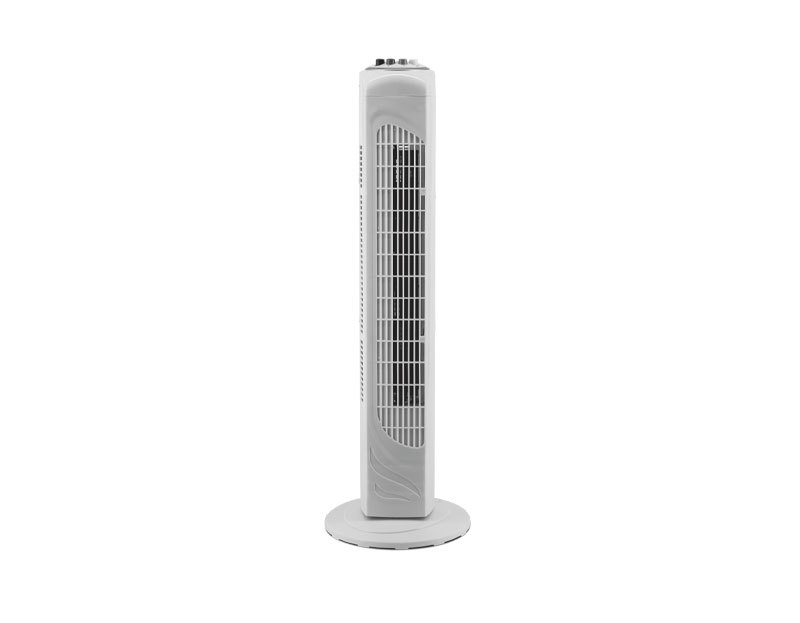
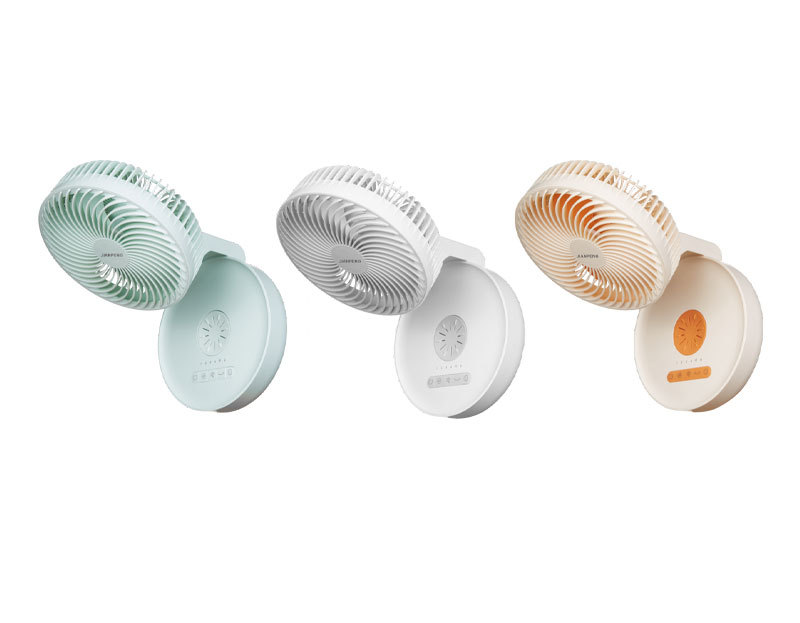
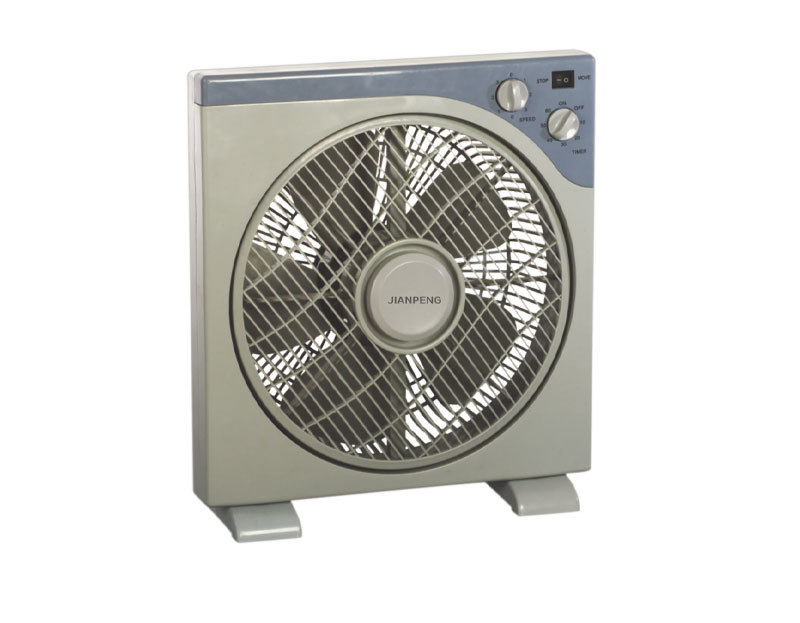
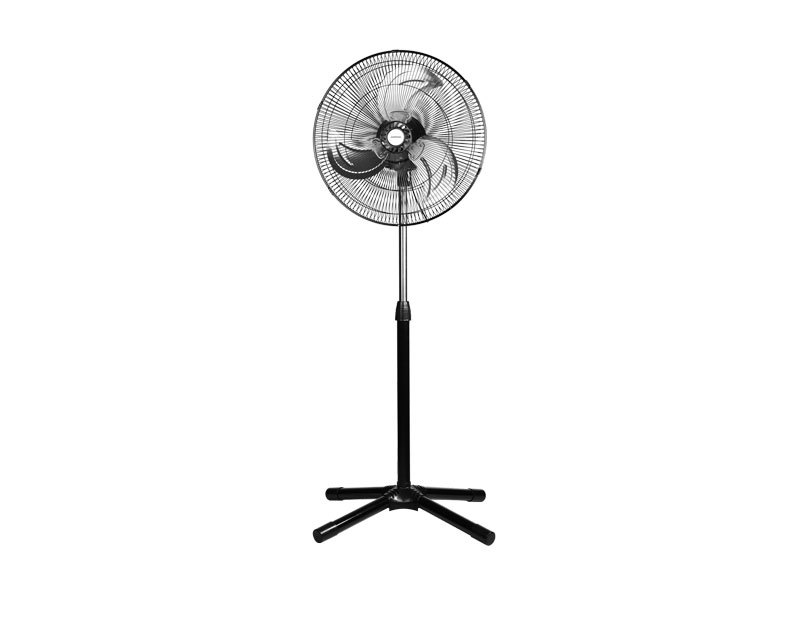

Products Collection,SUPPLIER FOR HOME-BUSSINESS-INDUSTRIAL FAN

Contact Information
 sales01@gdjianpeng.com
 86-0757-26323793
 http://www.gdjianpeng.com/
 No.19 shuikou Cang, Chongyuan Industrial Zone, Xincun, Beijiao Town, Shunde District, Foshan city, Guangdong Province

Copyright © 2022 Foshan Shunde Jianpeng Industrial Co., LTD.
Powered by:300.cn Shunde SEO
business license
 18923212913
 sales01@gdjianpeng.com
 18923212913
 Message
